
Most students hit this exact question right after 12th: BSc IT or BSc Computer Science, and does it actually matter which one you pick? BSc IT equips you with the skills to manage, secure, and run the IT systems a business depends on. BSc Computer Science, on the other hand, equips you with the skills to design and build the software itself.
It changes what you study, what kind of job you’re ready for at graduation, and how much room you have to specialize later. This guide clearly breaks down the difference, the salary reality, and how to decide between the two.
BSc IT Full Form and What the Program Covers
The BSc IT full form of Bachelor of Science in Information Technology. It’s a 3-year undergraduate degree focused on how technology is applied in business, not just on how software is built.
Expect subjects like networking, database management, web development, cloud computing, and IT systems management. The degree leans practical: you’re learning to set up, manage, and secure the systems a company actually runs on.
What BSc Computer Science Covers Instead
BSc Computer Science is also a 3-year degree, but the center of gravity is different. It’s built around programming, data structures and algorithms, operating systems, and software engineering.
Where BSc IT asks “how do we run this system,” BSc Computer Science asks “how do we build this system from scratch.” It’s the more coding-intensive of the two, and it’s also the more common starting point for students aiming at software development, data science, or AI down the line.
BSc IT and BSc Computer Science difference: Side by Side
Here’s the BSc IT and BSc Computer Science difference laid out plainly, before the subject-level detail.
|
Feature |
BSc Computer Science |
BSc IT |
|
Core Focus |
Programming and software development |
IT systems and infrastructure |
|
Approach |
Theory-heavy, coding-intensive |
Application-based, hands-on with systems |
|
Strongest Subjects |
Algorithms, data structures, software engineering |
Networking, databases, cloud, cybersecurity |
|
Typical First Job |
Software developer, data analyst |
Network administrator, IT support, systems analyst |
The BSc IT and BSc Computer Science difference really comes down to this: CS trains you to write the code; IT trains you to run and secure what the code becomes.
Career Scope and Salary: How They Actually Compare
The BSc IT and BSc Computer Science difference shows up clearly in the numbers too. Here’s what the salaries actually look like, based on multiple independent salary-tracking sources rather than a single blog’s estimate.
|
Experience Level |
BSc Computer Science Salary |
BSc IT Salary |
|
Fresher (0-1 years) |
₹3-5 LPA |
₹2.5-4 LPA |
|
Early Career (1-3 years) |
₹5-8 LPA |
₹4-7 LPA |
|
Mid-Level (3-6 years) |
₹8-15 LPA |
₹7-12 LPA |
|
Senior/Specialised (6+ years) |
₹15-20+ LPA |
₹12-20 LPA |
*These figures are average base estimates compiled from multiple independent salary-tracking sources and studies, and actual pay can vary by company, location, and specific skills.
BSc Computer Science tends to command a slightly higher ceiling, mainly because it opens more directly into software development, data science, and AI roles, which currently pay a premium over infrastructure-focused IT roles.
That said, the gap narrows quickly once a BSc IT graduate earns a cloud or cybersecurity certification, since those specializations are in high demand right now.
BSc IT or BSc CS Which Is Better For You?
There’s no universal answer to whether BSc IT or bsc cs, because it depends on what kind of work you actually want to be doing five years from now, not on which degree sounds more advanced.
Pick BSc Computer Science if you enjoy problem-solving through code, want to build software or apps yourself, or are eyeing careers in AI, data science, or product-based tech companies.
Pick BSc IT if you’d rather manage and secure the systems businesses already run on, you’re drawn to networking or cybersecurity specifically, or you want a degree that gets you job-ready for IT support and infrastructure roles faster.
Neither choice closes doors permanently. Plenty of BSc IT graduates move into cloud and security specializations that pay as well as software roles, and plenty of BSc CS graduates end up in infrastructure-heavy jobs once they’re in the workforce.
If you’re still stuck on BSc IT or bsc cs which is better, the honest answer is that the degree matters less than which specialization you build on top of it.
Best BSc Computer Science Colleges in Pune
Pune has a genuinely strong list of options if you’re comparing BSc computer science colleges in Pune. Fergusson College and SP College are known for academic rigor and lower fees; Modern College offers a solid mix of theory and practical exposure, and Symbiosis and MIT lean more toward industry, with stronger placement infrastructure. Cutoffs and fees vary a lot across these, so it’s worth checking both before applying.
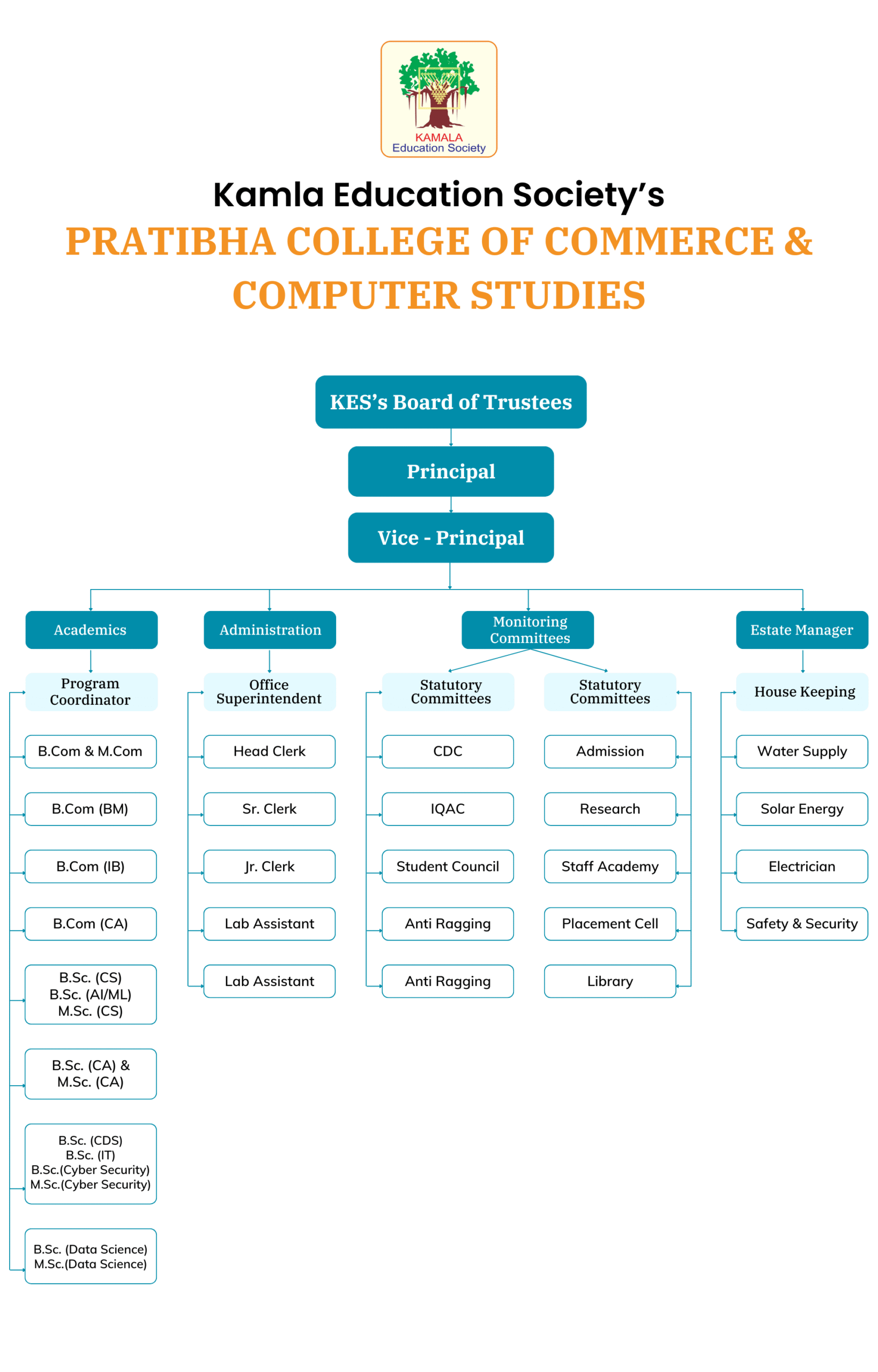
Pratibha College of Commerce & Computer Studies (PCCCS) is also worth a serious look, particularly because it’s one of the few colleges in the Pimpri-Chinchwad area offering both BSc IT and BSc Computer Science under one roof, alongside specialized options like BSc AI/ML, BSc Cyber Security, and BSc Data Science.
Why PCCCS Might Be the Smarter Starting Point
Choosing between BSc IT and BSc Computer Science before you’ve even started college is genuinely hard, and a lot of 12th-pass students change their minds once they actually see what each subject involves.
At PCCCS, you don’t have to get that decision perfectly right on day one, since both programs run on the same campus, under the same NAAC ‘A’ Grade accreditation and Savitribai Phule Pune University affiliation.
The college also runs regular campus placement drives and industry outreach specifically for its Science and Technology students, so the gap between finishing the syllabus and getting hired is something the college actively works on, not just a hope.
Conclusion
The BSc IT and BSc Computer Science Difference is real, but it isn’t a trap. BSc CS leans toward building software, BSc IT leans toward running and securing it, and both lead to solid, well-paying careers in India’s growing tech industry. If you’re still weighing BSc IT or BSc CS Which Is Better, the better question isn’t which degree is “best.” It’s the kind of work you’d rather be doing once you’re actually in the job.
Frequently Asked Questions (FAQs)
1. What is the bsc it full form?
Bachelor of Science in Information Technology. It’s a 3-year undergraduate degree focused on IT systems, networking, and infrastructure.
2. What is the main bsc it and bsc computer science difference?
BSc Computer Science focuses on programming and software development. BSc IT focuses on applying technology within business systems, covering networking, databases, and infrastructure management.
3. Is BSc IT or BSc CS better for a career in AI or data science?
Between BSc IT and BSc CS, which is better, specifically for AI and data science? BSc Computer Science generally wins. Its curriculum is built around programming and algorithms, which line up more directly with AI and data science roles.
4. Can a BSc IT graduate switch into software development later?
Yes, though it usually takes extra effort, since BSc IT covers less coding than BSc CS. Many BSc IT graduates do this by picking up programming skills separately through projects or certifications.
5.Is it possible to pursue BSc IT and BSc Computer Science from the same institution?
Yes, several colleges now offer both programs on one campus. This makes it easier for undecided students to sit in on each subject’s coursework structure before committing fully, or even switch between the two early on without losing a year or changing colleges.